
Breastfeeding: The First Step to a Healthy Life
For World Breastfeeding Week (1–7 August): why breast milk matters, its benefits for mother and baby, and a call for community support.
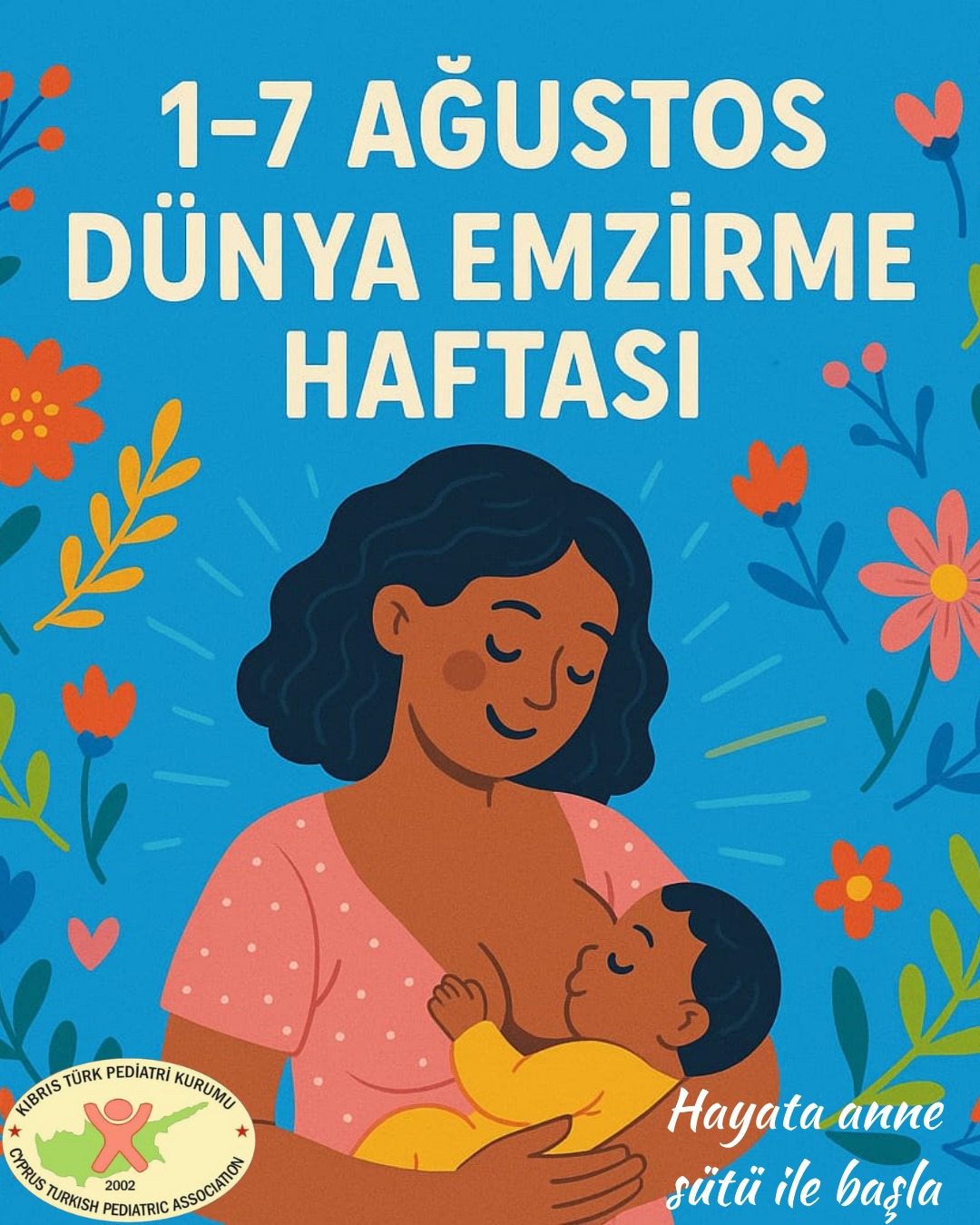
World Breastfeeding Week, celebrated every year from 1–7 August, is an important opportunity to remind us how vital breastfeeding is. Breast milk is not just a food; it is a protective, economical and powerful investment in a lifetime of health that strengthens a baby's immune system.
The World Health Organization and the American Academy of Pediatrics recommend that all infants be exclusively breastfed for the first six months of life, and that breastfeeding continue alongside appropriate complementary foods until at least two years of age. This is not merely a preference but a scientifically proven necessity for infants' healthy development and lifelong protection from disease.
Breast Milk: A Baby's First Vaccine, Its Most Powerful Food
Breast milk is nature's most perfect food, meeting all of a baby's needs from birth. Alongside water, protein, fat, vitamins and minerals, it also contains immune cells, enzymes and hormones — and each mother's milk is specifically tailored to her own baby's needs. Colostrum, the thick yellowish milk produced in the first days after birth, acts like the baby's first vaccine, protecting against infection and supporting the digestive system thanks to its concentrated immune components.
The Benefits of Breastfeeding for Mother and Baby Are Too Many to List
Breastfed infants have a lower risk of early infections, diarrhoea, respiratory illness, ear infections and sudden infant death; in later life, they have a lower risk of obesity, diabetes, allergies and certain cancers, while cognitive development and secure attachment are supported. For mothers, breastfeeding reduces postpartum bleeding, helps with weight loss, lowers the risk of breast, ovarian and uterine cancer, and protects against diabetes and high blood pressure.
The Role of Health Workers Is Crucial
Successful breastfeeding requires supporting mothers before and after birth. Skin-to-skin contact immediately after birth, breastfeeding within the first hour, keeping the baby with the mother, and feeding on demand all make this process easier. Common misconceptions — "I don't have enough milk," "there isn't enough milk for twins," "my milk isn't nourishing enough" — can also discourage breastfeeding; the right information and support can overcome most of these concerns.
Supporting Breastfeeding Is a Shared Responsibility
Leaving breastfeeding solely to the mother isolates her. Support from partners, family members, employers and society as a whole is essential to sustaining breastfeeding. Workplaces should provide lactation rooms, mothers should be able to use nursing leave, breastfeeding counselling should be made widely available, and society should show understanding towards nursing mothers.
During Breastfeeding, Remember: Avoid alcohol and smoking. Certain herbs such as excessive mint, sage or parsley may reduce milk supply. Too much caffeine can make a baby restless. Not every medication is safe while breastfeeding — medication use should always be under a doctor's supervision.
Breastfeeding is natural, economical, sustainable and life-saving. Every baby has the right to be breastfed. Let's support breastfeeding for informed mothers, healthy babies and a stronger society.
On behalf of the Board of Directors,
Prof. Dr. Nilüfer Güzoğlu
Vice-Chairwoman